
Explainers · 5 min read
How Cash Back Apps Actually Work (And Where the Money Comes From)
Cash back sounds like free money. It isn't — but it's also not a scam. Here's exactly where the dollars come from.
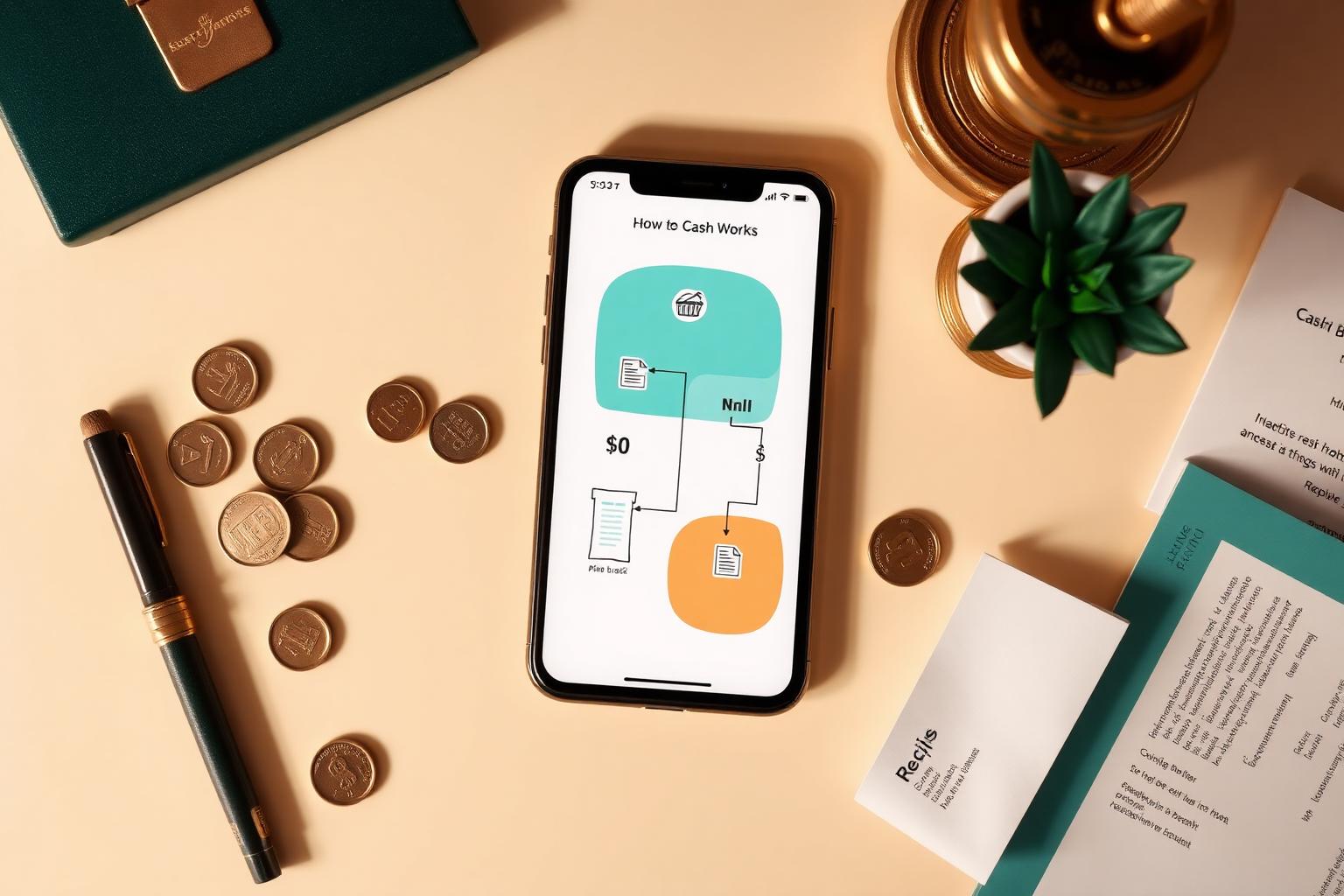
Every top cash back app operates on one of three business models — sometimes more than one at the same time. Once you understand the model, you can predict which app will pay more on a given purchase.
1. Affiliate commissions
When you click through Rakuten to Macy's and buy something, Macy's pays Rakuten an affiliate commission (typically 5-15% of your order). Rakuten keeps a slice and passes the rest back to you as cash back.
2. Brand-funded rebates
Ibotta's grocery offers are usually funded by the brand (General Mills, P&G, etc.), not the store. It's cheaper for a brand to give you $1 back on a box of cereal than to run a national TV ad. The app is a targeted-promotion channel.
3. Aggregated purchase data
Some apps monetize anonymized, aggregated purchase trends and share cash back with users. Reputable apps do NOT sell personally identifiable information — check the privacy policy of any app before installing.
What this means for you
Cash back is real money coming from real commercial relationships. It's not a scam and it's not free money — it's a rebate on marketing spend that would otherwise go to Google ads. Understanding this helps you pick the top cashback app for a given category: portal apps for online, brand apps for CPG, receipt apps for everything else.